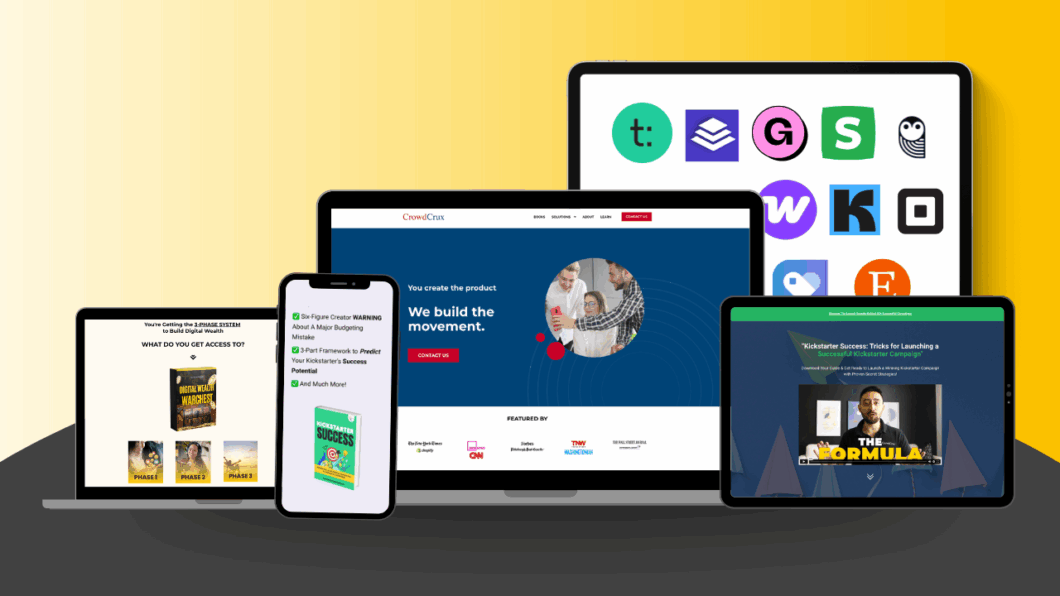
The digital products market has surged into a $300+ billion industry, empowering droves of solopreneurs, freelancers, digital nomads, and work-from-home creators to launch thriving online home-based businesses.
According to Statista’s latest digital market outlook, the digital products industry continues to show double-digit growth year over year.
And, Forbes reports that digital product businesses have some of the highest profit margins in e-commerce, making them an attractive option for new entrepreneurs.
With $100K+ in digital product sales under my belt from simple Amazon ebooks to mini-courses and in-depth courses, I get how tough it is for beginners to choose the right tools.
Whether you’re looking to sell ebooks, online courses, digital art, software, templates, or other digital products, choosing the right platform and tools is crucial for your success.
In this comprehensive list, we’ll explore the top tools that make selling digital products accessible and profitable for beginners.
What Are Digital Products and What Are the Best Digital Products to Sell?
Digital products are intangible goods that exist in digital format and can be downloaded or accessed online. Unlike physical products, digital goods offer unique advantages like zero inventory costs, instant delivery, and unlimited scalability.
These include:
- Online courses: From quick tutorials to full certification programs, courses let you monetize your expertise and help others gain skills.
- Ebooks: A fast entry point for writers and experts—covering everything from fiction and self-help to technical guides.
- Templates & design assets: Social media packs, website themes, and presentation slides save buyers time and give them professional results.
- Digital art & media: Artwork, photos, graphics, and even print-on-demand designs open creative income streams.
- Software & tools: Apps, plugins, and web tools solve problems for audiences and can scale profitably.
- Subscriptions & memberships: Premium newsletters, content libraries, and member sites create recurring revenue.
The digital product landscape encompasses a wide range of opportunities for creative entrepreneurs and knowledge experts. By the way, Reddit has a great discussion, excellent insights into several of the best profitable digital product formats.
1. Gumroad – The Beginner-Friendly Powerhouse
Best for: First-time sellers and creators who want simplicity
Gumroad stands out as one of the most user-friendly platforms for selling digital products. This tool requires no technical expertise and allows you to start selling within minutes.
Key Features:
- Simple product upload and management
- Built-in payment processing
- Customizable product pages
- Analytics and sales tracking
- Affiliate program support
- Mobile-optimized checkout
Pricing: Free plan available; 10% transaction fee.
Pros:
- Extremely easy to set up and use
- No monthly fees on the free plan
- Handles all technical aspects automatically
- Good for testing product viability
- Strong creator community
Cons:
- High transaction fees on free plan
- Limited customization options
- Basic marketing features
- Less professional appearance than dedicated e-commerce sites
Why beginners love it: Gumroad handles all the technical aspects, from payment processing to digital delivery, allowing you to focus on creating great products and marketing them effectively.
2. Leadpages – Landing Page and Digital Sales Platform

Best for: Marketers and solopreneurs who want to create high-converting sales pages and sell their digital products.
Leadpages excels at creating beautiful, conversion-optimized landing pages and checkout experiences for digital products. With its drag-and-drop builder and proven templates, it’s perfect for creating professional sales funnels.
Key Features:
- High-converting landing page templates
- Drag-and-drop page builder
- A/B testing capabilities
- Built-in checkout and payment processing
- Email marketing integrations
- Lead capture and opt-in forms
- Mobile-responsive designs
Pricing: Plans start at $49/month with a 14-day free trial.
Pros:
- Proven high-converting templates
- Advanced A/B testing capabilities
- Excellent integration with marketing tools
- Professional, conversion-focused design
- Strong analytics and reporting
Cons:
- Higher monthly cost than basic platforms
- Learning curve for advanced features
- Limited e-commerce functionality
- Requires separate email marketing tool integration
Perfect for: Digital marketers, course creators, and entrepreneurs who want to maximize conversions with professional sales pages and marketing funnels.
Also, if you want to learn how to work from home, discover new side hustles, and learn how to get sales for products like courses and eBooks, go and check out my free course here.
3. Kit – The All-in-One Email Marketing Tool

Best for: Entrepreneurs who want AI-driven marketing automation for their digital products
Kit (formerly ConvertKit) is an email marketing and automation platform specifically designed for creators and digital product sellers. With powerful AI features and creator-focused tools, Kit helps you build audiences and sell digital products effectively.
Key Features:
- AI-powered email marketing automation
- Advanced segmentation and tagging
- Landing page and opt-in form builder
- Digital product delivery system
- Creator-focused templates and workflows
- Integration with major platforms and tools
Pricing: Free plan for up to 1,000 subscribers
Pros:
- Specifically designed for creators and digital product sellers
- Powerful automation and segmentation capabilities
- AI features help optimize campaigns automatically
- Excellent deliverability rates
- Strong integration ecosystem
- Creator-friendly pricing structure
Cons:
- Primarily focused on email marketing, not full e-commerce
- Learning curve for advanced automation features
- Limited storefront customization compared to dedicated platforms
- Requires integration with other tools for complete solution
Perfect for: Digital product creators who want to build engaged audiences through email marketing and need powerful automation to nurture leads and drive sales.
4. Etsy – The Creative Marketplace

Best for: Artists, designers, and creative professionals
Etsy has evolved beyond handmade crafts to become a thriving marketplace for digital products. With millions of active buyers specifically looking for digital downloads, Etsy provides built-in traffic and customer trust.
Key Features:
- Instant digital download capability
- Built-in audience of creative product seekers
- SEO-friendly product listings
- Seller tools and analytics
- Mobile app for managing your shop
- Community support and resources
Pricing: $0.20 listing fee per product, 6.5% transaction fee.
Pros:
- Built-in audience actively searching for digital products
- Low barrier to entry
- Trusted platform with buyer protection
- Excellent for creative and artistic products
- Strong SEO presence in Google searches
Cons:
- High competition in popular categories
- Limited control over customer relationships
- Platform dependency and policy changes
- Transaction fees can add up
- Requires understanding of Etsy’s specific algorithm
Ideal for: Creators selling digital art, printables, planners, clipart, and design templates.
5. WooCommerce – The WordPress Solution
Best for: Users comfortable with WordPress who want full control
WooCommerce transforms any WordPress website into a powerful e-commerce platform. This free plugin offers extensive customization options and integrates seamlessly with existing WordPress sites.
Key Features:
- Complete customization freedom
- Thousands of extensions and themes
- SEO-friendly architecture
- No transaction fees (only payment processor fees)
- Built-in blogging capabilities
- Strong community support
Pricing: Free plugin, but requires WordPress hosting and may need paid extensions.
Pros:
- Complete control over your store and customer data
- No transaction fees
- Excellent for content marketing and SEO
- Highly customizable with thousands of plugins
- Cost-effective for high-volume sellers
Cons:
- Requires technical knowledge to set up and maintain
- Hosting and security responsibilities
- Can become complex with many plugins
- Need to manage updates and backups yourself
Best choice for: Bloggers, content creators, and businesses that want maximum control over their online store. WooCommerce’s flexibility makes it an excellent choice for those who want to combine content marketing with e-commerce.
6. Teachable – The Course Creation Specialist
Best for: Educational content creators and course instructors
Teachable is primarily designed for online courses, Teachable excels at selling any educational digital product. Its focus on learning makes it perfect for knowledge-based products.
Key Features:
- Drag-and-drop course builder
- Student management system
- Built-in video hosting
- Completion certificates
- Advanced analytics
- Marketing tools and affiliate programs
Pricing: Free plan available; paid plans start at $39/month.
Pros:
- Specifically designed for educational content
- Excellent student experience and engagement tools
- Built-in video hosting and streaming
- Comprehensive analytics on student progress
- Strong affiliate program capabilities
Cons:
- Limited flexibility for non-course products
- Monthly fees required for advanced features
- Teachable branding on free plan
- Limited customization compared to other platforms
Perfect for: Educators, coaches, and experts monetizing their knowledge through courses, workshops, and educational materials.
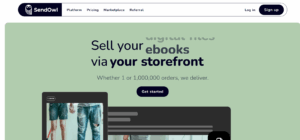
7. SendOwl – The Digital Delivery Expert
Best for: Sellers who need robust digital product delivery systems
SendOwl specializes in digital product sales with advanced features for product protection and delivery. It’s designed specifically for digital goods, making it incredibly efficient.
Key Features:
- Advanced download protection
- PDF stamping and watermarking
- Subscription product support
- Detailed customer analytics
- Integration with existing websites
- Affiliate management system
Pricing: Plans start at $9/month with a 30-day free trial.
Pros:
- Excellent digital product protection features
- Integrates with existing websites easily
- Advanced analytics and customer insights
- Subscription and recurring payment support
- Professional affiliate program management
Cons:
- Requires integration with existing website
- Limited storefront customization options
- Steeper learning curve for beginners
- Monthly fees required for most features
Ideal for: Sellers concerned about product piracy or those selling high-value digital products requiring extra protection.
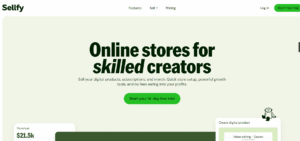
8. Sellfy – The All-in-One Creator Platform
Best for: Content creators wanting built-in marketing tools
Sellfy combines e-commerce functionality with creator-focused marketing tools, making it easy to build an audience while selling digital products.
Key Features:
- Built-in email marketing
- Social media integration
- Upselling and cross-selling tools
- Print-on-demand capabilities
- Customizable storefront
- Mobile-responsive design
Pricing: Plans start at $22/month with a 14-day free trial.
Pros:
- Built-in marketing tools save money on separate services
- Print-on-demand integration for physical products
- Good balance of features and ease of use
- Strong social media integration
- Upselling capabilities increase average order value
Cons:
- Monthly fees required for most features
- Limited customization compared to dedicated platforms
- Smaller user community for support
- Marketing tools may not be as advanced as specialized services
Great for: Influencers, content creators, and marketers who want sales and marketing tools in one platform.
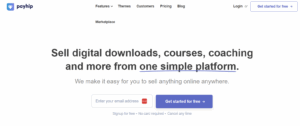
9. Payhip – The Simple Selling Solution
Best for: Minimalist sellers who want straightforward functionality
Payhip offers a clean, simple approach to selling digital products without overwhelming beginners with complex features they don’t need.
Key Features:
- Easy product upload
- Customizable checkout pages
- Discount codes and promotions
- Affiliate program support
- Sales analytics
- EU VAT handling
Pricing: Free plan available; 5% transaction fee. Paid plans start at $29/month.
Pros:
- Simple, clean interface that’s easy to navigate
- Free plan available for testing
- Automatic EU VAT handling
- Good affiliate program features
- No complex setup required
Cons:
- Limited advanced features compared to competitors
- Higher transaction fees on free plan
- Basic customization options
- Smaller marketplace presence
Perfect for: Beginners who want to test the waters before committing to more expensive platforms.
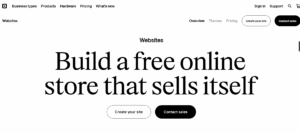
10. Square Online – The Free Store Builder
Best for: Budget-conscious beginners who need a free solution
Square Online provides a completely free e-commerce solution with the option to sell digital products, making it perfect for bootstrapping entrepreneurs.
Key Features:
- Completely free plan available
- Professional website templates
- SEO optimization tools
- Social media integration
- Inventory management
- Built-in analytics
Pricing: Free plan available; premium plans start at $18/month.
Pros:
- Completely free option with no monthly fees
- Professional-looking templates
- Good SEO capabilities
- Integrates well with social media
- No transaction fees on free plan
Cons:
- Limited digital product features compared to specialized platforms
- Square branding on free plan
- Fewer integrations than competitors
- Customer support limitations on free plan
Ideal for: New entrepreneurs who want to start selling without any upfront costs.
Choosing the Right Tool for Your Digital Product Business
When selecting a platform for selling digital products, consider these crucial factors:
1. Technical Expertise: Choose platforms that match your comfort level with technology. Beginners should prioritize user-friendly options like Gumroad or Payhip. HubSpot’s guide to choosing e-commerce platforms provides additional insights on matching platforms to skill levels.
2. Product Type: Different platforms excel with different product types. Etsy works well for creative digital downloads, while Teachable is perfect for educational content. Understanding your niche helps narrow down the best options.
3. Budget: Factor in both monthly fees and transaction costs. Calculate total costs based on your expected sales volume. For more detailed cost analysis and pricing strategies, check out this comprehensive digital product creation guide. NerdWallet’s breakdown of e-commerce costs can help you budget effectively.
4. Scalability: Choose platforms that can grow with your business. Starting with a simple tool is fine, but ensure you can upgrade when needed. Inc.com’s scalability guide explains how to plan for growth from day one.
5. Marketing Features: Consider built-in marketing tools like email marketing, SEO features, and social media integration. Platforms with integrated marketing capabilities can save money and streamline operations
6. Customer Support: Reliable customer support becomes crucial when technical issues arise or you need help optimizing your store. Look for platforms with multiple support channels and good response times.
Which Tool is Best?
The digital products market offers unprecedented opportunities for entrepreneurs willing to take action. Whether you choose the simplicity of Gumroad, the power of Shopify, or the creative community of Etsy, the most important step is getting started.
Remember, successful digital product businesses are built over time through consistent effort, quality products, and excellent customer service. Choose a platform that aligns with your current skills and business goals, but don’t let perfectionism prevent you from launching.
The tools listed in this guide have helped thousands of entrepreneurs build profitable digital product businesses. Your success depends not just on the platform you choose, but on the value you provide to your customers and your commitment to growing your business. For additional inspiration and case studies, this article on starting a digital product business in 30 days shows real examples of successful digital product launches.
Start with one platform, create one excellent digital product, and begin building your online empire today. The digital marketplace is waiting for what you have to offer.
Frequently Asked Questions (FAQ)
Q: What is the easiest digital product to start selling as a beginner? A: Digital templates (planners, worksheets, design templates) are often the easiest to start with. They require minimal technical skills, can be created using simple tools like Canva, and have consistent demand across various niches.
Q: How much money do I need to start selling digital products? A: You can start with as little as $0 using free platforms like Gumroad. However, budget $50-100/month for a professional platform, like Leadpages, to give your business the best chance of success.
Q: Do I need to handle taxes for digital product sales? A: Yes, digital product sales are taxable income. In the US, you’ll need to report earnings on your tax return. For international sales, some platforms handle VAT automatically, but consult with a tax professional for your specific situation.
Q: How do I protect my digital products from being pirated or shared illegally? A: Use platforms with built-in protection features like SendOwl or Gumroad. Add watermarks to visual products, use PDF password protection, and consider limited download attempts. However, focus more energy on creating great products and marketing than worrying about piracy.
Q: What’s the difference between selling on a marketplace vs. your own website? A: Marketplaces (like Etsy) provide built-in traffic but take higher fees and limit your customer relationship. Your own website offers more control and higher profits, but requires you to drive your own traffic through marketing.
Q: How long does it take to make money selling digital products? A: This varies greatly, but most successful sellers see their first sales within 3-4 weeks of launching. Building a sustainable income typically takes 1-3 months of consistent effort in product creation and marketing.
Q: Can I sell the same digital product on multiple platforms? A: Yes, this is called “multi-channel selling” and is a great strategy to maximize reach. Just ensure each platform’s terms of service allow it and that you can manage inventory and customer service across all channels effectively.